Why Choose Tajmeels Clinic for Anal Fistula Surgery in Dubai?
Pain, swelling, and discharge around the anus is a sign it may be time to see a doctor about the condition known as an anal fistula. Anal fistula surgery in Dubai is a successful treatment for eliminating infection, pain, and enabling a safe and healthy recovery.
Anal fistula is a surgical procedure that helps provide relief and improve physical health.
The surgery for anal fistula is performed under local or general anesthesia to ensure that the patient receives comfortable treatment.
The duration required for anal fistula surgery ranges from 30 to 90 minutes, depending on the severity of the patient’s condition.
The results of Anal fistula treatment Dubai are effective with a closed fistula tract, pain relief, and infection control.
There are minimal side effects of anal fistula surgery suffered by the majority of patients, and they usually fade within days with proper care and maintenance.
Anal fistula surgery provides long-term results with maintenance and proper healing.
Anal fistula surgery provides several benefits and improves the quality of life with comfort.
Patients can resume their normal activities after 3 to 7 days of anal fistula surgery.
Consultation is required for anal fistula surgery so that the surgeon can properly examine the condition of the patient and suggest an ideal treatment plan.
Dr. Diya Aldeen Mohammad is a board-certified Best surgeon for anal fistula in Dubai and a trusted expert in advanced obesity management procedures. With 17 years of experience, he specializes in performing complex laparoscopic and bariatric procedures, along with a wide range of general surgeries for anal fistula. Renowned for his precision and skill. His approach focuses on delivering safe, effective, and lasting results while addressing every concern with care and transparency.
The Fistula surgery cost in Dubai ranges from 6999 AED to 19999 AED, depending on the condition of the patient and several other factors.
Anal Fistula Surgery
Anal fistula surgery is a surgical procedure aimed at treating an abnormal passage connecting the anal canal to the skin around the anus, usually as a result of infection and abscess. The treatment seeks to remove the infected tract, prevent recurrence, and ensure function.
This condition can lead to ongoing pain, swelling, and discharge, which can be debilitating. Thanks to modern surgical approaches and expert care, patients can enjoy a symptom-free life, better comfort, and a quicker recovery.
Anal fistula surgery aims to offer lasting relief by excising the infected tract and stopping re-infection. Post-surgery, most patients feel less pain and discomfort, and have less discharge. Over time, they are able to enjoy greater convenience and comfort, and their quality of life improves.
Duration and longevity are affected by aftercare. Through proper hygiene, lifestyle modifications, and compliance with medications and follow-up treatment, there is a low chance of recurrence, and patients enjoy long-term outcomes.
Comparison of Anal Fistula Surgery with LIFT Surgery
The main comparison of anal fistula surgery with the LIFT procedure for fistula Dubai is.
Factors
Anal Fistula Surgery
LIFT Surgery
Primary Purpose
Remove the infected fistula tract and promote healing
Close the fistula tract while preserving the anal muscles
Key Components
Excision, drainage, and wound management
Ligation and sealing of the intersphincteric tract
Expected Transformation
Direct removal of infection and affected tissue
Closure of the tract with minimal tissue damage
Working Principle
Surgical removal of the abnormal pathway
The tract is tied off and sealed internally
Onset Window
Relief after the initial healing phase
Gradual improvement within weeks
Result Stability Period
Long-term with proper care
Long-lasting with low recurrence risk
Intensity Grade
Moderate to invasive, depending on the case
Minimally invasive fistula surgery Dubai
Ideal Candidates
Complex or recurrent fistula cases
Simple to moderate fistula cases
Maintenance Cycle
Requires follow-up care
Limited follow-up visits
Overall Benefit
Strong infection control and lasting relief
Faster recovery with muscle preservation
Benefits Achieved from Fistula Surgery
Several benefits can be achieved from anal fistula surgery.
Excision of the infected fistula.
Relief from pain and discomfort.
Reduction in risks of reinfection and abscesses.
Enhanced recovery of the infected part.
Elimination of discharge and itch.
Improved quality of life and well-being.
Lowered risk of future complications.
Side Effects
There can be a few temporary side effects for patients who undergo surgery to repair an anal fistula. This may include discomfort or pain at the site, swelling, or slight irritation during the healing process. Occasionally, mild bleeding, temporary constipation, or increased risk of minor inflammation may result if the patient doesn’t follow post-surgical care. These are usually mild, and any discomfort will resolve over time with medical therapy and good hygiene.
Methods of Anal Fistula Surgery
Methods
Description
Fistulotomy
Opens the tract to allow it to heal naturally.
Seton Placement
Uses a thread to drain the infection gradually.
LIFT Surgery
Seals the tract while preserving muscle function.
Flag Surgery
Covers the internal opening with healthy tissue.
Fibrin Glue Injection
Injects glue to close the fistula tract.
Fistula Plug Insertion
Inserts a plug to block and heal the tract.
Laser fistula surgery Dubai
Uses laser energy to close the tract with minimal damage.
Fistulotomy vs Fistulectomy
Factors
Fistulotomy
Fistulectomy
Primary Purpose
Open the fistula tract to allow natural healing
Completely remove the fistula tract
Key Components
Incision and drainage of the infected pathway
Surgical excision of the entire tract
Expected Transformation
Gradual healing from an open wound
Complete removal of infected tissue
Working Principle
Converts the tract into a flat wound for healing
Cuts out the fistula completely
Onset Window
Faster initial healing process
Slightly longer healing due to tissue removal
Result Stability Period
Long-term with proper care
Long-term with lower recurrence risk
Intensity Grade
Less invasive procedure
More extensive surgical procedure
Ideal Candidates
Simple and low-level fistulas
Complex or deep fistulas
Maintenance Cycle
Regular wound care required
Post-surgical follow-ups needed
Overall Benefit
Effective healing with quicker recovery
Complete removal with strong long-term results
Conditions for Getting Anal Fistula Surgery
The conditions for patients getting anal fistula surgery are.
Pus or fluids are continuously leaking from the anus.
Pain, swelling, or discomfort around the anus.
A known fistula tract diagnosed by a doctor.
Frequent recurrence of abscesses in the area.
Failure to improve through the use of medication and a process of basic care.
Chronic irritation or inflammation is interfering with your life.
Failure of a Treatment for anal fistula without surgery approach to treat an infection.
Things are interfering with life and need a final surgery.
Understand the Surgical Procedure of an Anal Fistula
Consultation
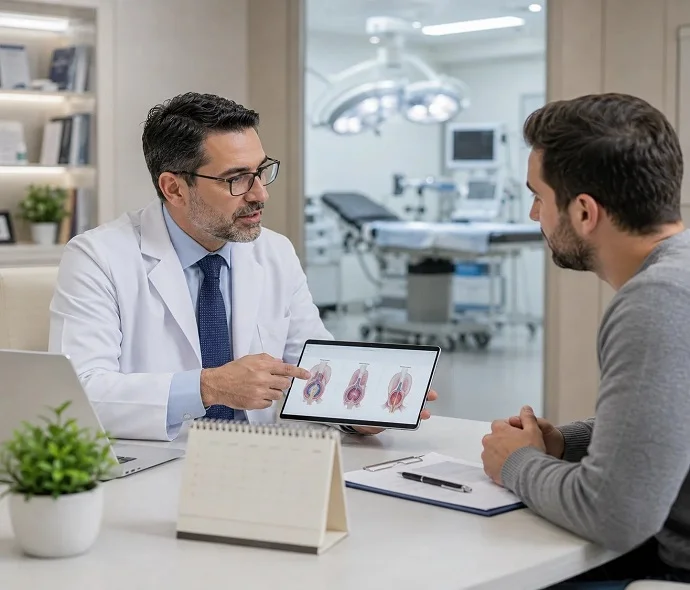
The doctor will examine the patient, including their symptoms, medical history, and extent of disease, in consultation for anal fistula surgery. The doctor then explains appropriate surgical treatment with expected results, Recovery after fistula surgery, and complications. This allows patients to fully understand their condition, and for the doctor to outline a safe and appropriate surgery plan to suit the individual patient.
Pre-Care Instructions
Undergo all the necessary investigations.
Follow instructions about nothing to eat or drink if recommended.
Notify the surgeon of medications being taken and allergies.
Make sure to maintain personal hygiene.
Do not take any other medications without approval.
Stop blood-thinning medications if advised.
Follow the instructions of the surgeon.
Procedure Steps
Anesthesia is used to make the patient comfortable and pain-free.
The surgeon locates the track of the fistula.
The infection or fistula tract is removed or treated using a variety of methods.
The site is irrigated to lower the infection risk.
The wound might be stitched or left open to heal, and so on.
Bandaging is done to aid healing and keep the site clean.
The patient is kept under observation for a brief time.
Advice for after the procedure is given.
Post-Care Instructions
Follow the doctor’s instructions for keeping the wound dry and clean.
Take antibiotics and other prescribed medicines as per the doctor’s advice to prevent infection and for pain relief.
Eat plenty of fiber to prevent constipation and straining during bowel movements.
Steer clear of lifting and physical labour while recovering.
Practice good hygiene after passing stools.
Keep all follow-up appointments for check-ups.
Call in to your doctor if you notice any abnormal pain, swelling, or discharge.
Diligently follow the wound care guidelines from the health specialist.
Recovery Timeline & Maintenance
Recovery Timeline
What to Expect
Day 1 – 2
Pain, swelling, and rest are required after surgery.
First Week
Gradual pain relief with dressing and medication.
2 – 3 Weeks
Noticeable healing and reduced discharge.
1 – 2 Months
Return to normal daily activities with improved comfort.
3 – 4 Months
Complete external healing in most cases.
4 – 6 Months
Full recovery in complex cases.
6 – 12 Months
Long-term stability with proper care.
Maintenance
Healthy diet, proper hygiene, and follow-up to ensure lasting results.
The cost of anal fistula surgery in Dubai ranges from 6999 AED to 19999 AED, depending on the condition of the patient, the type of method chosen, and several other factors. The final cost will be determined after the consultation with the doctor for a better understanding of the treatment plan.
Methods
Severity Level
Cost
Fistulotomy
Simple to moderate cases
6999 AED – 9999 AED
Seton Placement
Moderate to complex cases
7999 AED – 12999 AED
LIFT Surgery
Moderate fistula cases
9999 AED – 14999 AED
Flag Surgery
Complex or recurrent cases
12999 AED – 17999 AED
Fibrin Glue Injection
Early or simple cases
6999 AED – 10999 AED
Fistula Plug Insertion
Moderate cases
8999 AED – 13999 AED
Laser Treatment
Advanced minimally invasive cases
11999 AED – 19999 AED
Factors Affecting the Cost
Several factors affect the overall cost of anal fistula surgery in Dubai:
Book Your Consultation for Anal Fistula Surgery in Dubai Today to Achieve Comfort!
Let Fistula specialist clinic Dubai,Tajmeels Clinic be your pathway to a permanent solution to pain, discomfort, and infection with a doctor’s consultation. Timely assessment to determine the optimum surgical option for Anal Fistula Surgery in Dubai for safe, successful treatment. Get relief and enhance your life with help from our expert doctors.
Anal fistulae might be suspected from recurrent pain, swelling, or discharge around the anal region. These may persist despite simple treatment and medication.
There are success rates with anal fistula surgery if appropriate medical intervention and surgical techniques are used. This is influenced by the nature of the fistula and the individual’s response to treatment.
Anal fistulas usually don’t completely close in the absence of surgery. Drugs might help to treat the infection or Symptoms of anal fistula treatment, but will not invariably close the tract.
This will depend on the severity of the illness, but may be local, spinal, or general anesthesia. This is based on the condition to allow for painless surgery.
Foods that are spicy, highly processed, and have a low fiber content should generally be avoided. These types of foods can lead to constipation and irritation of the wound.
There is a slight risk of recurrence if post-operative care and healing aren’t optimal. Lack of complete healing or infection can also lead to recurrence.
Mild to moderate pain is common in the first few days after surgery. This discomfort is usually manageable with prescribed medications and proper rest.
Patients should avoid heavy lifting, prolonged sitting, and constipation during the healing phase. These activities may slow recovery and increase discomfort in the treated area.
Our Exceptional Treatment Reviews by Satisfied Clients
Tajmeels Clinic is my go-to place for all cosmetic treatments. The staff is friendly, and the doctors are experts in their field. I had a chemical peel and laser treatment, and the results are amazing. My skin looks radiant and refreshed. I highly recommend Tajmeels Clinic for anyone seeking top-quality cosmetic care.
My hair transplant at Tajmeels Clinic was a great success. The process was smooth, and the results are incredible. The doctors are experienced, and the clinic uses state-of-the-art technology. The staff was very supportive and provided excellent aftercare. I highly recommend Tajmeels for anyone looking to regain their hair and confidence."
I recently visited Tajmeels Clinic for a cosmetic procedure, and I couldn't be happier with the results. The staff was incredibly professional and attentive, making sure I felt comfortable throughout the entire process. The results exceeded my expectations, and I feel more confident than ever. Highly recommend!














 العربية