Why Choose Tajmeels Clinic for Hernia Surgery in Dubai?
Our clinic performs Hernia Surgery in Dubai, and we rely on experienced surgeons who emphasize proper diagnosis, patient safety, and high standards of surgery. Hernias can be painful and have severe complications that will progress with time. By using the latest technologies, designing individual treatment plans, and providing close assistance after treatment.
Hernia surgery is a surgical procedure that involves small to large incisions, depending on the technique.
The goal of hernia surgery is to reposition protruding tissue and strengthen the abdominal wall.
The duration of hernia surgery ranges from 30 minutes to 2 hours, depending on the type of procedure.
Local or general anesthesia is required for hernia surgery to ensure the patient receives comfortable care.
The results of hernia surgery are effective, and patients can observe significant pain reduction.
Minimal downtime is required after hernia surgery, and the patient can resume their normal activities within 3 to 5 days.
The full recovery from hernia surgery can be observed within 2 to 6 weeks, depending on the level of care taken and maintenance.
Minimal side effects can be visible after hernia surgery, which will fade away within a few days with proper care.
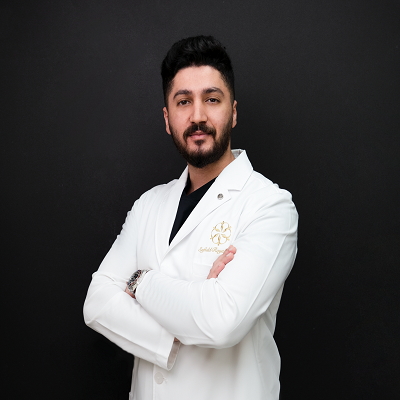
Dr. Diya Aldeen Mohammad is a board-certified surgeon and the Best hernia surgeon in Dubai with over 17 years of experience in advanced laparoscopic and bariatric procedures. He specializes in performing complex laparoscopic and bariatric procedures, along with a wide range of general surgeries.
Dr. Nagham Mohammad Karagholi is a skilled general surgeon with Jordanian Board Certification, specializing in advanced laparoscopic techniques. With over 4 years of hands-on experience in a high-volume private practice, she specializes in advanced laparoscopic techniques across a wide range of general surgical procedures. Her genuine compassion, patient-first approach, and unwavering dedication ensure that every patient benefits from the most up-to-date advancements in modern medicine.
The cost of hernia surgery in Dubai ranges from 14999 AED to 29999 AED, depending on the type of technique used and the severity of the patient’s condition.
What is Hernia Surgery?
Hernia surgery is a surgical procedure that is carried out to strengthen the weakened section of the abdominal wall through which internal tissues or organs have passed. This condition may result in swelling, pain, and progressive pain during the daily routine processes like lifting, coughing, and long standing.
Surgical repair helps to seal the opening, enhance the affected region, and ensure that the hernia does not expand and cause complications. Modern techniques have made hernia operations safe, effective, and aimed towards generating quicker healing and lasting relief.
There are several causes of hernia formation suffered by the majority of patients.
Abdominal wall weakness.
Increased abdominal pressure.
Heavy lifting.
Chronic coughing or sneezing.
Straining.
Obesity.
Pregnancy.
Excessive smoking.
Results & Longevity of Surgery
Inguinal hernia surgery Dubai is aimed at offering long-term relief by strengthening the weakened abdominal wall and preventing the recurrence of the hernia. Most patients report that within just a few weeks post-recovery, they see a significant improvement in discomfort, mobility, and levels of daily activity. The process aids in regaining strength to the affected region, enabling people to come back to their normal lives with more comfort and confidence.
When post-surgical guidelines and lifestyle suggestions are adhered to, the results of longevity will typically be long-term. By keeping their weight, not being overstrained, and making follow-up visits, they can minimize their chances of developing recurrence and facilitate extended results.
Comparison of Hernia Surgery with Hernia Belt
Factors
Hernia Surgery
Hernia Belt
Primary Purpose
Permanent repair of the hernia defect
Temporary support to manage symptoms
Key Components
Surgical repair with or without mesh
Elastic supportive belt or truss
Expected Transformation
Long-term correction and restored abdominal strength
Short-term symptom relief without fixing the cause
Working Principle
Closes the defect and strengthens weak tissue
Applies external pressure to hold the hernia in place
Onset Window
Improvement after the recovery phase
Immediate relief when worn
Result Stability Period
Long-lasting or permanent results
Temporary and dependent on usage
Intensity Grade
Surgical intervention
Non-invasive external support
Ideal Candidates
Patients with symptomatic or enlarging hernias
Patients not fit for surgery or awaiting treatment
Maintenance Cycle
Post-surgery follow-ups and lifestyle care
Continuous daily or regular use
Overall Benefit
Definitive treatment with low recurrence risk
Symptom management without permanent correction
Benefits Achieved from Hernia Surgery
Several benefits can be achieved from hernia surgery.
Pain, pressure, and discomfort caused by the hernia can be relieved.
Re-establishment of physical movement and activities.
The widening of the hernia and grave complications are prevented.
Improved strength of the abdominal wall.
Improved living standards and the ability to trust what happens in day-to-day activities.
Less risk of future emergency medical situations.
Side Effects of Hernia Surgery
The side effects may be mild and temporary, like swelling, bruising, discomfort, or fatigue in the initial Hernia surgery recovery time. Approximately, some of the patients will be experiencing slight pain around the incision area or momentary movement difficulty. These effects tend to increase in a few weeks when he or she rests, takes medicine, and receives additional care.
Types of Hernia Surgery
There are several methods for hernia surgery.
Methods
Desciption
Open Hernia Repair
Incision made to repair and strengthen the weak area.
Laparoscopic hernia repair Dubai
Minimally invasive repair using small incisions and a camera.
Robotic Hernia Surgery
Robot-assisted method for precise and faster recovery.
Mesh Repair
Mesh is used to support and reinforce the abdominal wall.
Tissue Repair
Muscles stitched together without mesh.
Lichtenstein repair
Open mesh technique to reduce recurrence risk.
TEP Repair
Laparoscopic repair without entering the abdomen.
TAPP Repair
Laparoscopic repair was performed through the abdomen.
Laparoscopic Hernia Surgery vs Open Hernia Surgery
Factors
Laparoscopic Hernia Surgery
Open Hernia Surgery
Primary Purpose
Minimally invasive repair of the hernia with faster recovery
Direct surgical repair of the hernia through an incision
Key Components
Small incisions, camera, mesh placement
Single larger incision, manual repair, mesh or tissue closure
Expected Transformation
Less pain, quicker recovery, minimal scarring
Strong repair with slightly longer healing time
Working Principle
Uses keyhole instruments for internal repair
The surgeon directly accesses and repairs the defect
Onset Window
Rapid improvement within days
Gradual improvement over weeks
Result Stability Period
Long-term with low recurrence risk
Long-term with proper healing
Intensity Grade
Minimally invasive
More invasive surgical approach
Ideal Candidates
Patients suitable for keyhole surgery and a faster recovery
Patients with complex or large hernias
Maintenance Cycle
Short follow-up and quick return to routine
Longer follow-up and recovery monitoring
Overall Benefit
Less pain, quicker recovery, better cosmetic outcome
Reliable and effective traditional repair method
Conditions for Getting Hernia Surgery
The conditions for patients getting hernia surgery are.
An ongoing pain or discomfort due to the hernia.
The size of the hernia bulge increases with time.
Daily life problems walking, lifting, or bending.
A hernia that fails to resolve under conservative management.
The quality of life is impacted by visible swelling of the abdomen or of the groin.
Symptoms that recur in spite of lifestyle change.
Advice of an expert with due medical assessment.
Understanding the Hernia Surgery Process
Consultation
Hernia surgery consultation entails a thorough medical examination, which requires the specialist to examine the symptoms, medical history, and physical state of the person undergoing the surgery. Depending on the nature, type, and severity of the hernia, the doctor would decide on the most appropriate treatment method to adopt. In this session, the surgeon discusses available surgical options. This assists the patient in making an informed choice and is also a guarantee of a safe and tailor-made treatment plan.
Pre-Surgery Instructions
Strict adherence to the rules of fasting according to the recommendations made before the operation.
Disclose all medical conditions and medications.
Discontinue the use of blood-thinning medications at the recommendation of the specialist.
Pass all the medical tests and assessments.
On the day of surgery, wear comfortable clothes.
Always observe good hygiene before going to the hospital.
Adhere to all the pre-operative instructions given by the medical team.
Procedure Steps
Anesthesia is provided to the patient to make sure that the patient is pain-free.
Depending on the surgical technique, a small incision or a properly sized incision is made.
The protruded tissue gets pressed back to a correct position mildly.
The abdominal wall is weakened, repaired, and strengthened.
The area where the surgery is done is neatly sealed to make sure it heals.
Dressing is used to cover the area of the incision.
The patient is observed in the recovery process before discharge.
To heal safely, post-surgery care instructions are given.
Post-Surgery Instructions
Stay dry and clean in the surgical area as recommended by the doctor.
Consistently take prescribed drugs to relieve pain and prevent infection.
In the course of recovery, avoid heavy lifting, bending, or extreme physical exercise.
Eat a well-balanced and rich in fiber diet so that you do not become stuck and stressed.
Wear supportive clothing or abdominal support as advised.
Always follow up appointments in order to have an accurate healing evaluation.
Look out for infections like redness, swelling, or fever.
Slowly restore to normal as directed by the specialist.
Recovery & Maintenance Required
Post-hernia surgery recovery is usually slow, and the majority of patients feel better in terms of their comfort/mobility after a few weeks. Light pain, swelling, or tightness around the surgical site may be experienced at first but generally resolves with good rest, pain killers, and following medical instructions. Patients are advised to gradually carry on with their daily activities without straining it in the initial healing process.
Long-term care to exclude recurrence, such as healthy body weight, heavy lifting, and a balanced diet, is included in maintenance. By making periodic follow-up appointments with the specialist, they will help make sure the surgical outcomes are long-term and stay the same to allow effective healing and authoritatively identify any concerns.
The Hernia treatment cost in Dubai ranges from 14999 AED to 29999 AED, depending on the type of technique used and the severity of the patient’s condition. The final cost will be determined after the detailed consultation with the surgeon and discussion of the treatment plan.
Methods
Severity Condition
Cost
Open Hernia Repair
Moderate to complex cases
14999 AED – 21999 AED
Laparoscopic Hernia Repair
Mild to moderate cases
16999 AED – 24999 AED
Robotic Hernia Surgery
Complex cases requiring precision
21999 AED – 29999 AED
Mesh Repair
Moderate to severe cases
17999 AED – 19999 AED
Tissue Repair
Mild cases or small hernias
14999 AED – 19999 AED
Lichtenstein repair
Common uncomplicated hernias
15999 AED – 22999 AED
TEP Repair
Suitable for a minimally invasive approach
18999 AED – 27999 AED
TAPP Repair
Moderate to complex laparoscopic cases
19999 AED – 28999 AED
Factors Affecting the Cost
Several factors affect the overall cost of hernia surgery in Dubai.
Book Your Consultation for Hernia Surgery in Dubai Today & Achieve Comfort!
The first step towards long-term relief of pain, discomfort, and a weak abdomen is to make the initial appointment to have a professional consultation at Tajmeels Clinic. This early assessment allows for establishing the most appropriate surgical strategy and preventing additional complications. Patients can regain comfort, enhance mobility, and resume normal life with confidence due to Hernia Surgery in Dubai.
Our Exceptional Treatment Reviews by Satisfied Clients
Tajmeels Clinic is my go-to place for all cosmetic treatments. The staff is friendly, and the doctors are experts in their field. I had a chemical peel and laser treatment, and the results are amazing. My skin looks radiant and refreshed. I highly recommend Tajmeels Clinic for anyone seeking top-quality cosmetic care.
My hair transplant at Tajmeels Clinic was a great success. The process was smooth, and the results are incredible. The doctors are experienced, and the clinic uses state-of-the-art technology. The staff was very supportive and provided excellent aftercare. I highly recommend Tajmeels for anyone looking to regain their hair and confidence."
I recently visited Tajmeels Clinic for a cosmetic procedure, and I couldn't be happier with the results. The staff was incredibly professional and attentive, making sure I felt comfortable throughout the entire process. The results exceeded my expectations, and I feel more confident than ever. Highly recommend!












 العربية