Why Choose Tajmeels Clinic for Cancer Screening in Dubai?
Ever think it would have been different if you didn’t have to get one of these? Treatment and recovery rates can greatly change depending on whether a cancer is detected early or not. Our clinic offers trustworthy Cancer Screening in Dubai with state-of-the-art and internationally accepted screening diagnostic techniques conducted by skilled cancer expert doctors.
Cancer screening is a non-surgical procedure that uses an X-ray machine.
The main goal of cancer screening is to detect cancer at an early stage.
The duration of cancer screening ranges from 15 minutes to an hour, depending on the type of screening used.
The results of cancer screening are effective and are delivered fast within 24 to 48 hours.
candidates who have any second thoughts about their health can get cancer screening without any risks.
For screening of cancer in dubai, no incision or anesthesia is required.
There are minimal to no side effects of cancer screening, and individuals can see mild tenderness after the screening.
There are several methods of cancer screening provided at the oncology screening clinic Dubai for better imaging and detection of cancer.
It is recommended that patient should have cancer screening around every year to maintain their perfect health.
The patient can resume their normal activities immediately after the cancer screening procedure.
Consultation is required before cancer screening so that the doctor can recommend the ideal method after examining the condition of the patient
Dr. Nagham Mohammad Karagholi is an expert and skilled surgeon at breast screening clinic Dubai with over 4 years of hands-on experience in high-volume practice and examination of breast cancer, mammogram screening. Dr. Nagham’s genuine compassion, patient-centered care Dubai, and unwavering dedication ensure every patient benefits from up-to-date advancements.
The cost of preventive cancer screening ranges from 299 AED to 1499 AED, depending on the condition of the patient and the type of cancer screening.
Cancer Screening
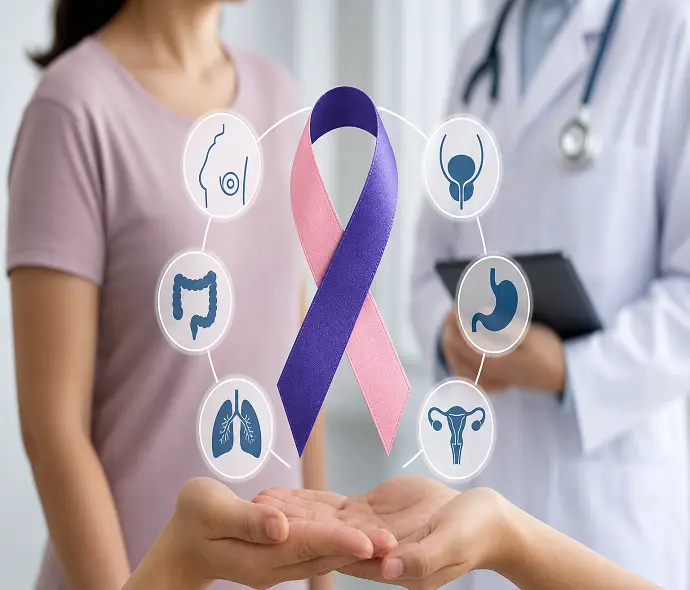
Screening for cancer is a medical process that is intended to find out cancer or the abnormal development of cells even before it shows any symptoms. Specific tests and imaging (high-tech tools) may be required to detect potential risks to the full body cancer screening Dubai, which help a doctor identify medical issues early and begin treatment promptly.
Early cancer detection Dubai is crucial in giving an individual a better chance of recovery and in preventing the further development of serious disease. It is particularly recommended for people with a family history of cancer, as well as those with some risk factors. Ongoing medical evaluation through regular screening and timely medical treatment helps to improve health.
Cancer screening results offer better insight into your current health status by determining if any suspicious or abnormal changes aren’t typical. The results enable the doctor to determine if additional tests are necessary or if immediate treatment is required. Timely diagnosis of conditions is usually more beneficial, given that conditions at the initial stage may be more easily treated and cured.
Further benefits of cancer screening will last if it occurs regularly and if people keep on eating healthily. Repeated screening aids long-term monitoring and decreases the risk of late diagnosis and the chances of improved overall survival rates.
Comparison of Cancer Screening with Blood-Based Multi-Cancer Tests
Factors
Cancer Screening
Blood-Based Multi-Cancer Tests
Primary Purpose
Detect specific cancers early through targeted tests
Identify multiple cancers from a single blood sample
Key Components
Imaging, scans, physical evaluation, and lab tests
Blood biomarker analysis, genetic testing markers
Expected Transformation
Early detection and timely treatment planning
Broader detection with less invasive testing
Working Principle
Direct examination of organs and tissues
Detection of cancer-related signals in blood
Onset Window
Based on symptoms or risk factors
Can detect early biological changes
Result Stability Period
Stable until next recommended screening
May vary with biological changes
Intensity Grade
Moderate to high, depending on test type
Low to moderate (non-invasive)
Ideal Candidates
High-risk individuals or age-based screening groups
Regular interval checkups as advised by the doctor
Periodic blood testing as recommended
Overall Benefit
Accurate, targeted diagnosis and early intervention
Wide-range detection with minimal discomfort
Benefits Achieved from Screening
There are several benefits that can be achieved from cancer screening.
Timely diagnosis improves the chances of successful treatment and recovery and will be treated.
An advanced health assessment can help in providing prompt treatment and proper planning.
Taking advantage of preventive health screening Dubai can reduce cancer treatment.
Early-stage treatment has better outcomes, which enhance recovery.
Overall health and wellness.
Contribution of preventive care to regular health monitoring.
The earlier the screening of the person, the greater the chance of survival, therefore the greater the chance of success.
The early treatment permits efficient treatment in a timely manner.
The test for preventive healthcare measures changes over time.
The results are accurately evaluated by using an accurate assessment.
Side Effects
Screening for cancer is very safe with few side effects; when there are, they are mild and go away quickly. There may be mild pain or tiredness, dizziness, or temporary, slight pain at the test/injection site for some.
A small amount of bruising or a headache/slight swelling will rarely occur. These effects typically don’t respond to treatment or require medical intervention, and cancer screening is considered a low-risk and well-tolerated preventative procedure
Methods of Cancer Screening
The methods for cancer screening provided at our clinic are.
The types of cancers suffered by the majority of the patients are.
Carcinoma.
Sarcoma.
Leukemia.
Lymphoma.
Myeloma.
Melanoma.
Brain and Spinal Cord Cancer.
Germ Cell Tumors.
Neuroendocrine Tumors.
Cancer Screening vs Biopsy
Factors
Cancer Screening
Biopsy
Primary Purpose
preventive evaluation of cancer risk
Confirm the presence of cancer
Key Components
Imaging and lab tests
Tissue sample examination
Expected Transformation
Identifies risk early
Provides final diagnosis
Working Principle
Detects abnormalities
Direct cell/tissue analysis
Onset Window
Before symptoms appear
After a suspicious finding
Result Stability Period
Requires regular screening
One-time diagnostic result
Intensity Grade
Low to moderate
Moderate to high
Ideal Candidates
High-risk or routine check
Suspected cancer cases
Maintenance Cycle
Periodic checkups
Not routine, as needed
Overall Benefit
Early detection and prevention
Accurate confirmation of disease
Conditions for Getting Cancer Screening
The conditions for patients getting cancer screening are.
If there is a family history of cancer, it means the cancer could be prevented at an earlier age.
Symptoms that persist or problems that these symptoms appear but are not explained should be evaluated medically.
Screening for appropriateness is suggested based on age.
If the person has a chronic condition, regular checks should be made on their health.
Lifestyle risk factors a diet low in nutrients or being sedentary.
Exposure of the Environment to harmful material.
A health checkup is carried out as per schedule for the detection of diseases early in life.
Treatment for prevention must take place to ensure long-term protection.
Understand the Process of Cancer Screening
Consultation
Consultation for cancer screening includes an in-depth discussion with a specialist that includes a review of your health history, symptoms, and risk factors. In this session, the doctor will make a decision on whether to screen or not and will recommend appropriate tests for your condition.
Helps to detect signs early and take the appropriate proactive measures. The consultation allows for personalized care and will lead patients undergoing screening to the right and prompt diagnosis on arrival, with the right kind of care for optimal results.
Procedure Steps
First visit to evaluate medical history, symptoms, and risk for cancer.
A specialist’s clinical assessment to look out for early warning signs.
Appropriate age condition-dependent screening tests selected.
In advanced diagnostics, you are able to collect samples or even images using the sophisticated diagnostic equipment.
Laboratory tests to determine if anything has changed or is abnormal, or if it has been transformed or spread to other organs, such as cancers.
Review and interpretation of all test results in detail by a specialist.
Final report with medical and other conclusions clearly stated.
Follow-up plan recommended if additional testing or monitoring is needed.
Instructions for Before & After Procedure
There are suggested instructions that patients have to follow before and after the cancer screening procedure.
If You Have been Prescribed Fasting, Follow the Doctor’s Directions.
Don’t use some medicines unless advised.
Provide all medical information.
Drink plenty of fluids before the procedure.
Try to relax and calm your body.
Get enough rest following screening.
Be alert to some mild side effects.
Obey indications by health care professionals.
Go for follow-up checks as necessary.
Report any abnormal symptoms.
Maintenance Required
Proper care is critical after cancer screening to maintain all aspects of your health and well-being. Patients are encouraged to make regular visits to the doctor and have regular screenings. It is important to have a healthy lifestyle with a well-balanced diet, exercise, good sleep, and fluid intake. Other parts of the approach are also important, such as not smoking, keeping a balance as a result of many stress factors, and strictly following medical directives. People who follow up have an opportunity to do periodic monitoring and alertness to any problems in the future.
The cost of cancer screening in Dubai ranges from 299 AED to 1499 AED, depending on the severity of the patient’s condition and the type of methods used. The final cost will be determined after the detailed examination with the doctor and discussion of the treatment plan.
Cancer Screening Method
Cost
Mammogram
299 AED – 499 AED
Pap Smear Test
299 AED – 399 AED
FIT Stool Test
299 AED – 399 AED
Low-Dose CT Scan
799 AED – 1499 AED
PSA Blood Test
299 AED – 499 AED
Skin Examination
299 AED – 399 AED
Oral Examination
299 AED – 399 AED
Breast MRI
999 AED – 1499 AED
Ultrasound
399 AED – 699 AED
Endoscopy
999 AED – 1499 AED
Factors Affecting the Cost
Several factors affect the overall cost of advanced cancer tests.
Book Your Free Consultation for Cancer Screening in Dubai Today & Get Yourself Examined Before It’s Too Late!
The early detection of cancer is an important step, and your free screening consultation at Tajmeels Clinic in Dubai is the way to start. Our experts give a comprehensive assessment to help identify early on potential risks. Cancer Screening in Dubai makes the diagnosis much earlier, provides more treatment options, and is vital for improving health, resulting in a healthier and safer future.
Cancer screening tests are usually painless and non-invasive, like tests such as scans or blood tests. Certain tests can be uncomfortable, depending on the method of testing. As a whole, the procedure is well tolerated by the majority of individuals.
This will depend on your age, risk factors, and medical history. Screening is recommended annually (or routinely) for early detection, in general. Your doctor will advise you as per your own risk level.
Most of the results are available within 24-48 hours, depending on the type of screening. Certain tests may require some extra time to analyze in detail.
It depends on the type of test that is performed. Certain screening tests may need a period of fasting, while others do not. Your physician will give you detailed guidelines before your procedure.
If any abnormal findings are detected, the doctor may recommend further tests or early treatment. This helps confirm the diagnosis and plan appropriate medical care. Early action improves outcomes significantly.
Yes, maintaining a healthy lifestyle can significantly reduce future risk. A balanced diet, regular exercise, avoiding smoking, and routine checkups are strongly recommended.
Our Exceptional Treatment Reviews by Satisfied Clients
Tajmeels Clinic is my go-to place for all cosmetic treatments. The staff is friendly, and the doctors are experts in their field. I had a chemical peel and laser treatment, and the results are amazing. My skin looks radiant and refreshed. I highly recommend Tajmeels Clinic for anyone seeking top-quality cosmetic care.
My hair transplant at Tajmeels Clinic was a great success. The process was smooth, and the results are incredible. The doctors are experienced, and the clinic uses state-of-the-art technology. The staff was very supportive and provided excellent aftercare. I highly recommend Tajmeels for anyone looking to regain their hair and confidence."
I recently visited Tajmeels Clinic for a cosmetic procedure, and I couldn't be happier with the results. The staff was incredibly professional and attentive, making sure I felt comfortable throughout the entire process. The results exceeded my expectations, and I feel more confident than ever. Highly recommend!












 العربية